Woven CollaborationWoven Collaboration
  • Home
  • Helping people work well together
  • About Carolyn
  • Client feedback
  • Case studies
  • Common questions
  • Costs
  • Women Who Follow Through
  • Ideas to spark your thinking
  • Contact
     
    Woven CollaborationWoven Collaboration
      • Home
      • Helping people work well together
      • About Carolyn
      • Client feedback
      • Case studies
      • Common questions
      • Costs
      • Women Who Follow Through
      • Ideas to spark your thinking
      • Contact

      Case studies


      Examples of how I’ve helped people work together to achieve something important.

      • Album
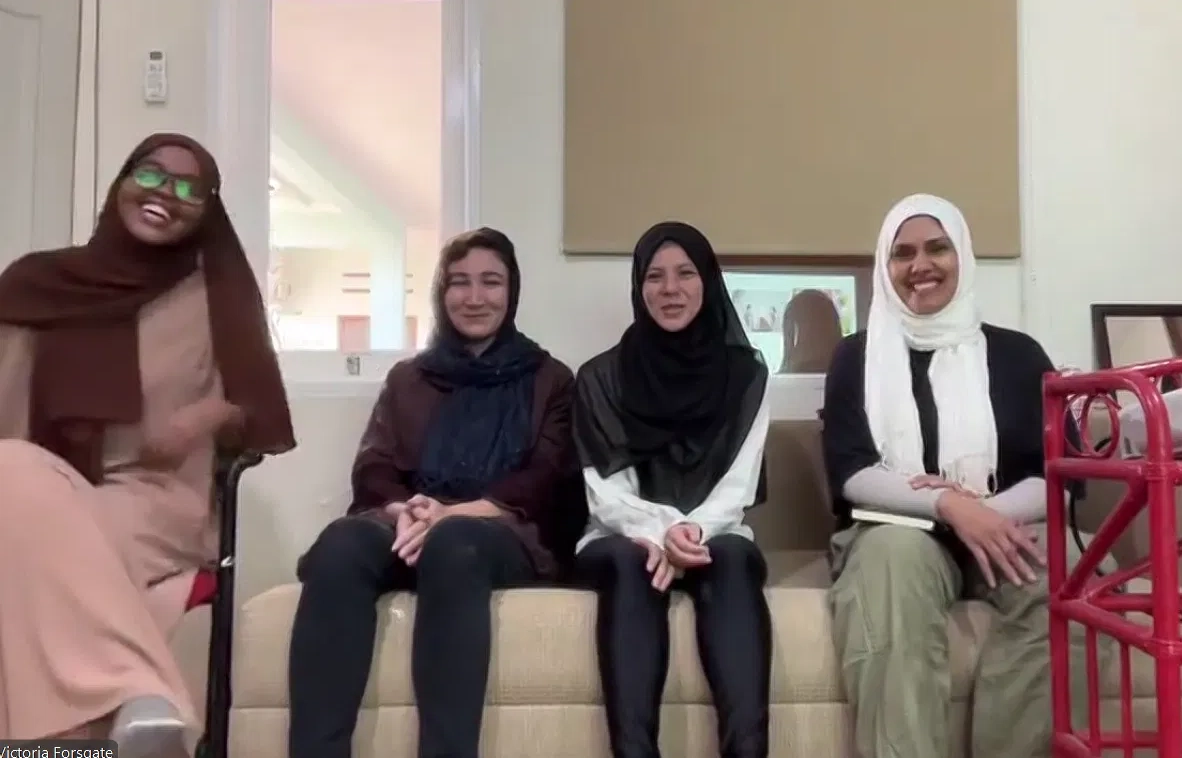
      The Sisterhood, Jakarta - The Sisterhood, an NGO supporting refugee women in Jakarta, wanted to develop its first strategic plan.

From New Zealand, I designed and facilitated a series of online workshops with the leadership team to help them agree their direction and priorities for the future. 

The result has seen a step change in The Sisterhood's profile to potential supporters and funders globally, and the impact it is making for refugee women.
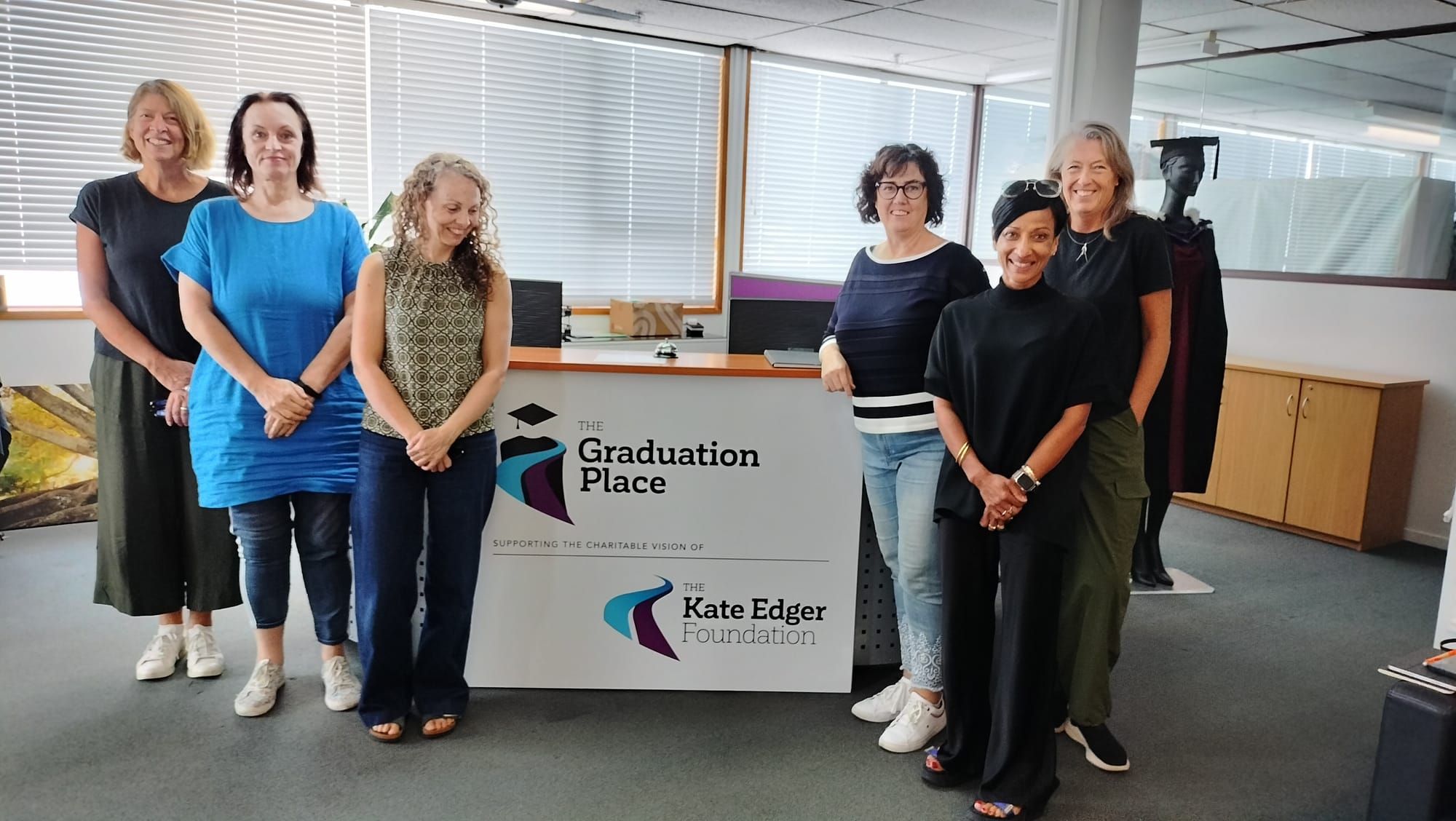
      Kate Edgar Foundation Board - I facilitated the board of the Kate Edgar Foundation to explore their future aspirations for this social enterprise.  We worked through how to grow their impact and what would need to prioritised to make that happen.  

Now they have a clear plan to guide their work providing education grants for women, funded through its academic hire social enterprise.
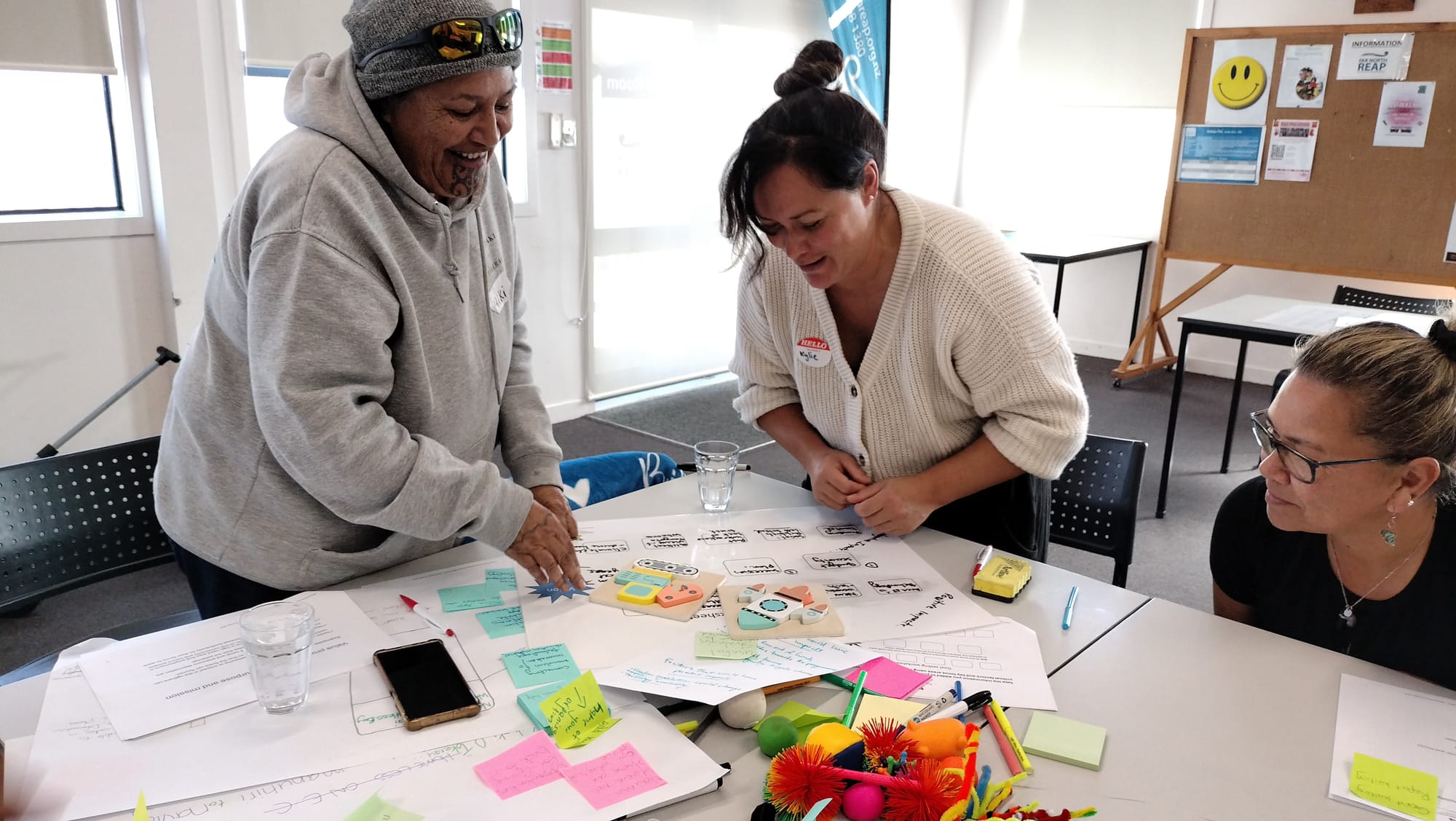
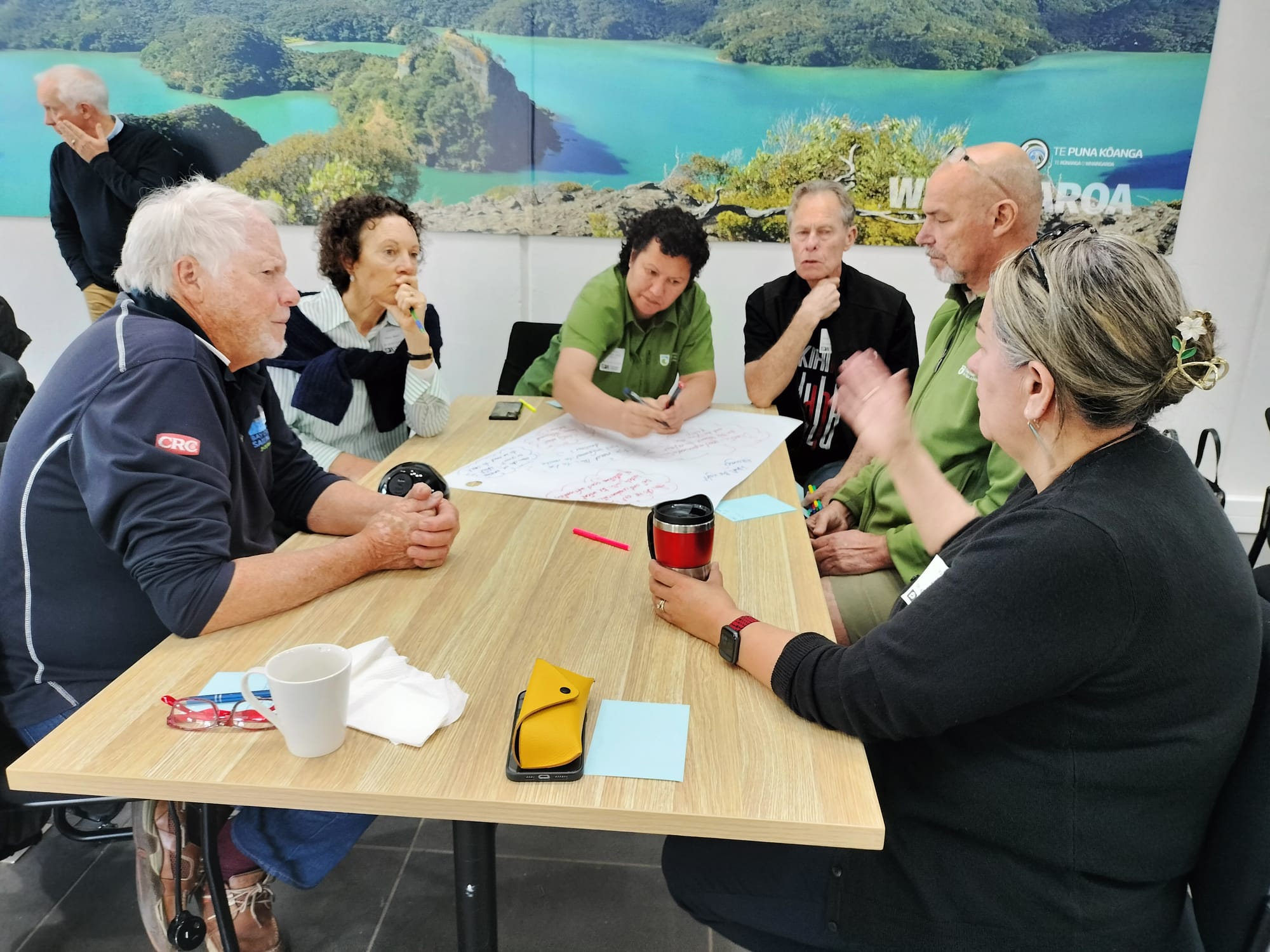
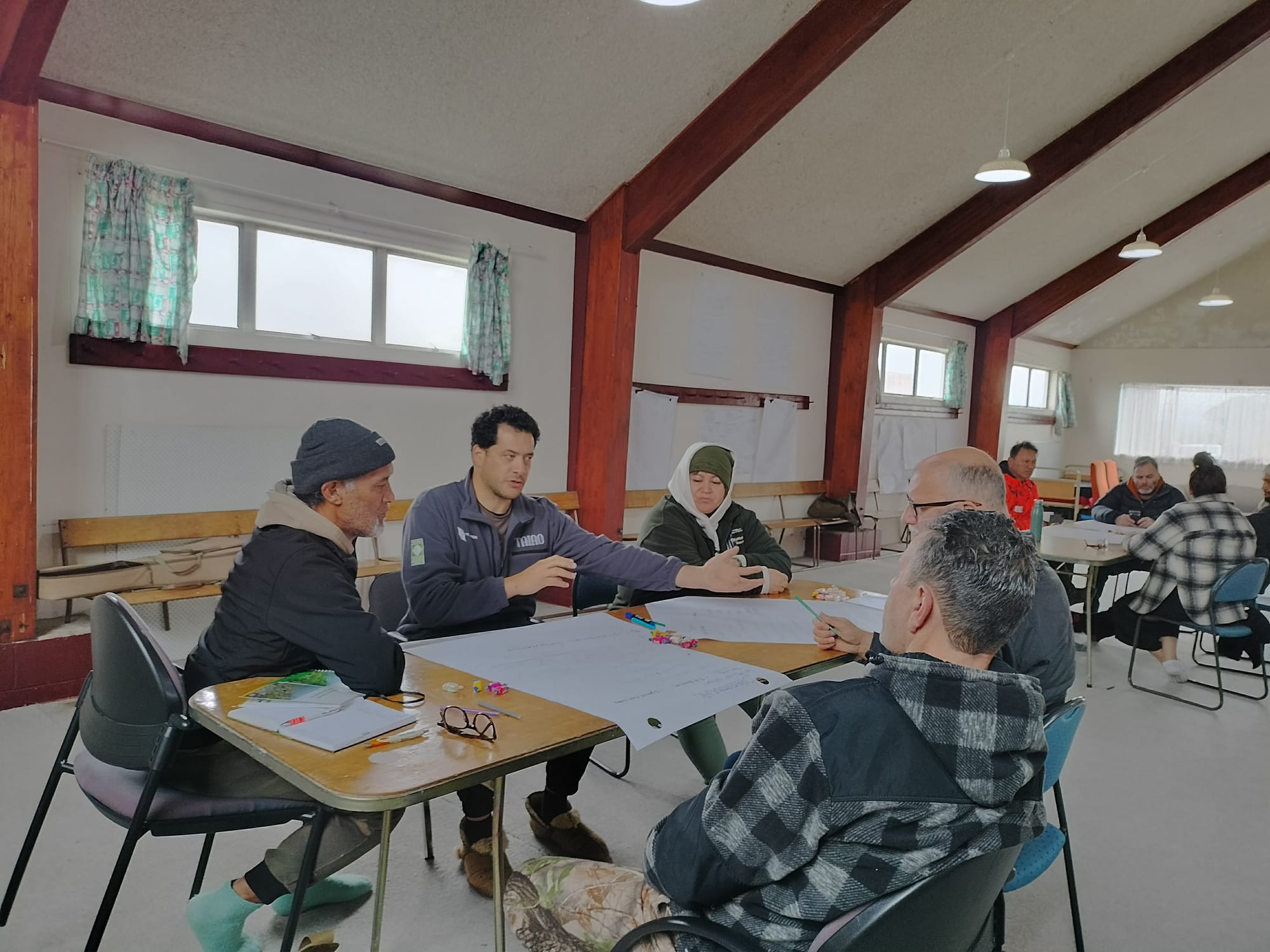
      Hapū, marae and DOC community collaboration - Turning local aspirations into plans.

I helped whānau from hapū, marae groups and trusts, together with Department of Conservation staff to explore their aspirations for taiao and hāpori projects in their rohe. 

Each rōpu (group) left with a clear future vision and a practical roadmap to guide them forward.
      Rule Foundation Hui - Allocating funding to organisations working with rainbow communities across Te Tai Tokerau/Northland.

Rule Foundation wanted to try something different.  Instead of taking funding applications, they decided to devolve decision-making on funding allocation to the groups themselves. 

Bringing diverse groups together, each with a strong vested interest, to decide how to allocate funding amongst themselves requires skilled facilitation. 

I used a consensus decision-making process, starting with inviting participants to establish a set of agreed values and principles up front to guide the decision-making process.  

By the end of the day, there was shared agreement on how the money was to be allocated, with a feeling of excitement about the impact this investment would make for our rainbow communities.
      Department of Conservation and Conservation Boards - The role of Conservation Boards has not always been clear to Department of Conservation staff and the Boards themselves. 

I facilitated a series of strategy workshops across Te Tai Tokerau, beginning with a shared session between Te Tai Tokerau operational leaders and Board representatives, then individually with the Te Tai Tokerau and Te Hiku Boards.

By the end of the series the Boards and Operational leaders understood the opportunities and impact they could create collectively.  

Each board had its own roadmap, giving them confidence on how they could invest their limited time and resources to maximise the impact they could make for conservation in the region.  They knew the role each of them would play to harness their strengths and networks to grow that impact.
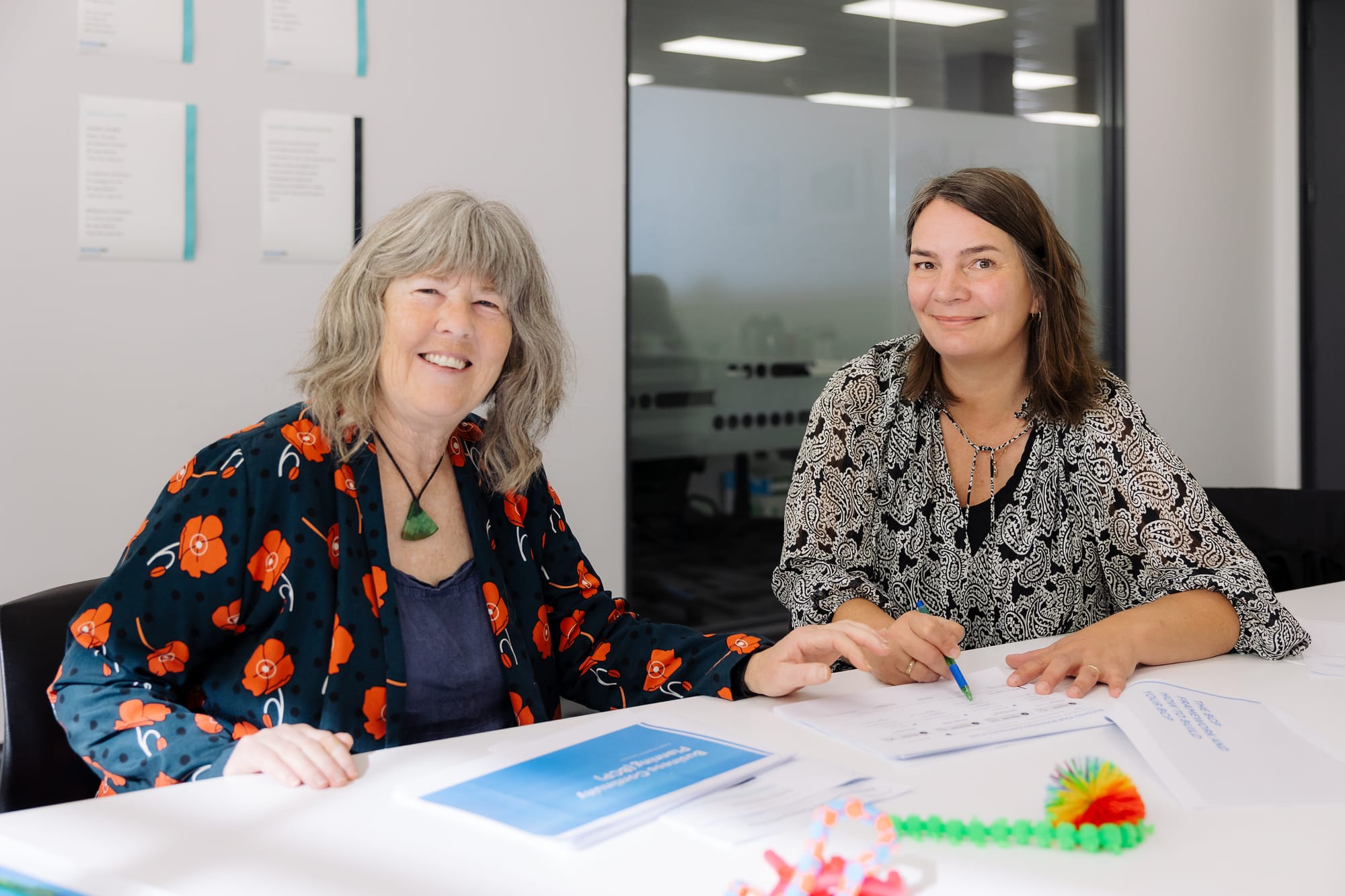
      Northland businesses - Northland NZ  asked me to deliver a series of business continuity planning workshops (online and in person) across Te Tai Tokerau. 

Each business left with practical ideas and a good understanding of what they needed to consider and plan for in order to future-proof their business against the impacts of severe disruptions, such as floods, cyclones, power outages and road closures - common occurrences in this region.
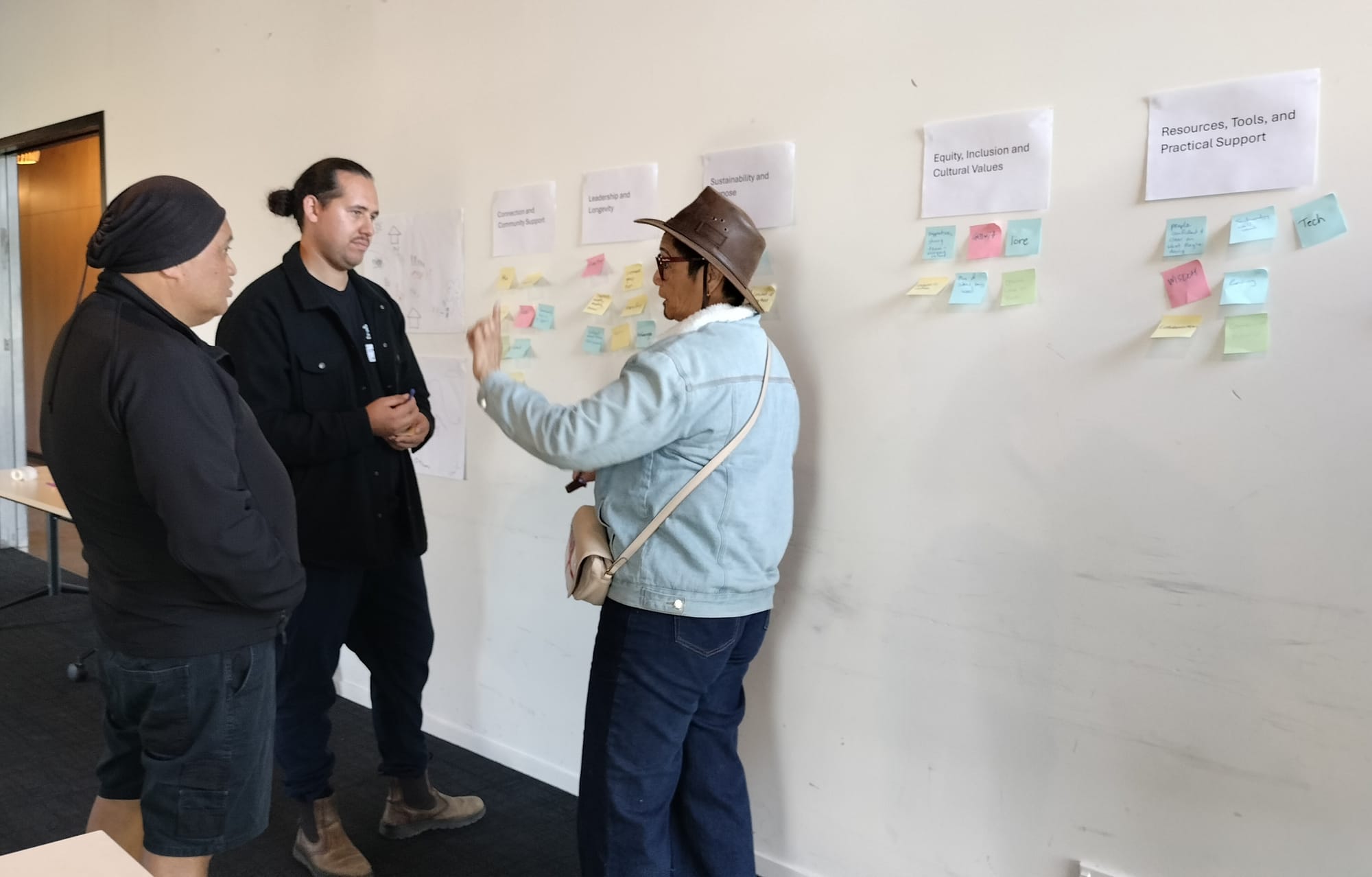
      Strategic Planning for Communities - Through funding from DIA, and in partnership with Volunteering Northland, I delivered a series of online and in person strategic planning workshops across Te Tai Tokerau for boards of community organisations.  

After 11 workshops every board, representing nearly 40 community organisations, could confidently articulate exactly why their organisation existed, who they served and the unique impact they created.  

They knew where they wanted to be in 5 years time, what they needed to prioritise to get there, and how they would check progress and prove their success. 

They also left with a stronger commitment to their kaupapa, and to each other. Many described being part of the creative, interactive and inclusive process  as 'the best team building day we have ever had.'
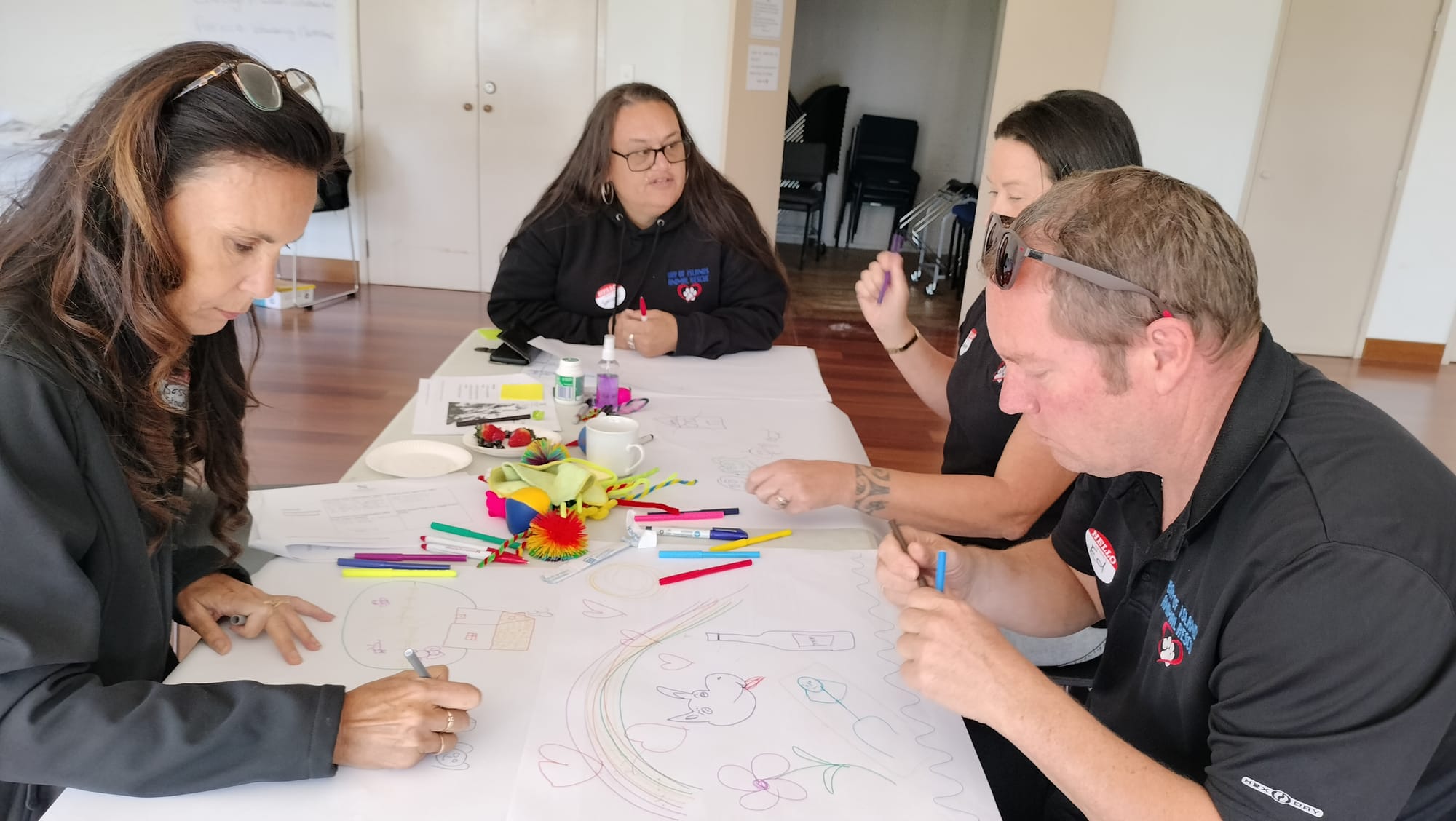
      Social resilience planning - I was brought in by Nature Positive to help with a national social resilience for rural communities initiative, funded by MPI.

I designed and facilitated a series of regional and national, in-person and online sessions for agencies and NGO's working with rural communities as well as hapū-led and community catchment groups.  

The workshops helped them explore what social resilience meant to them, where they were already strong, and where they may need to focus in more.

Through the conversations, the different sectors recognised the complimentary support they could offer each other, and the importance of considering the wellbeing of people alongside their focus on environmental restoration.

Agencies got to hear from hapū how to better engage with marae.   

Through experiential activities, participants learnt the importance of building connection first in order to open the door to more honest and open conversations.

Each participant left with practical ideas they could take forward into their mahi and in future planning.
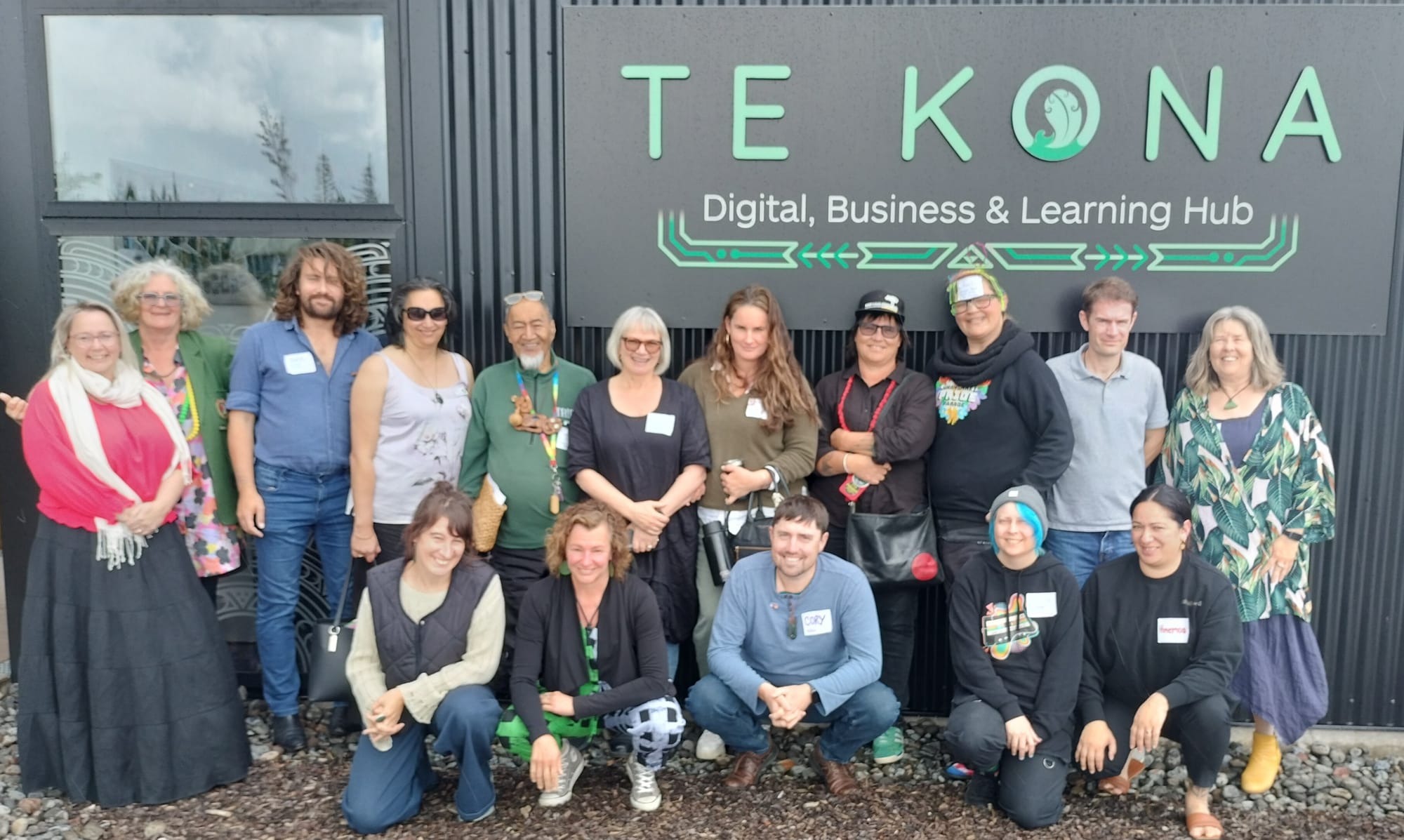
      Kauri Ora Wānanga - Facilitating representatives from iwi and hapū, Auckland, Northland and Waikato Regional Councils, MPI and DOC co-design a project planning template for Kauri Ora projects.  

Over two days I  guided the participants through a co-design process.  They explored what was needed to set projects up for success in a way that respected the diverse needs, values and perspectives.  

They also looked at how to incorporate Mātauranga Māori and Western Science. 

The result was a template that everyone supported and agreed to apply to future planning.
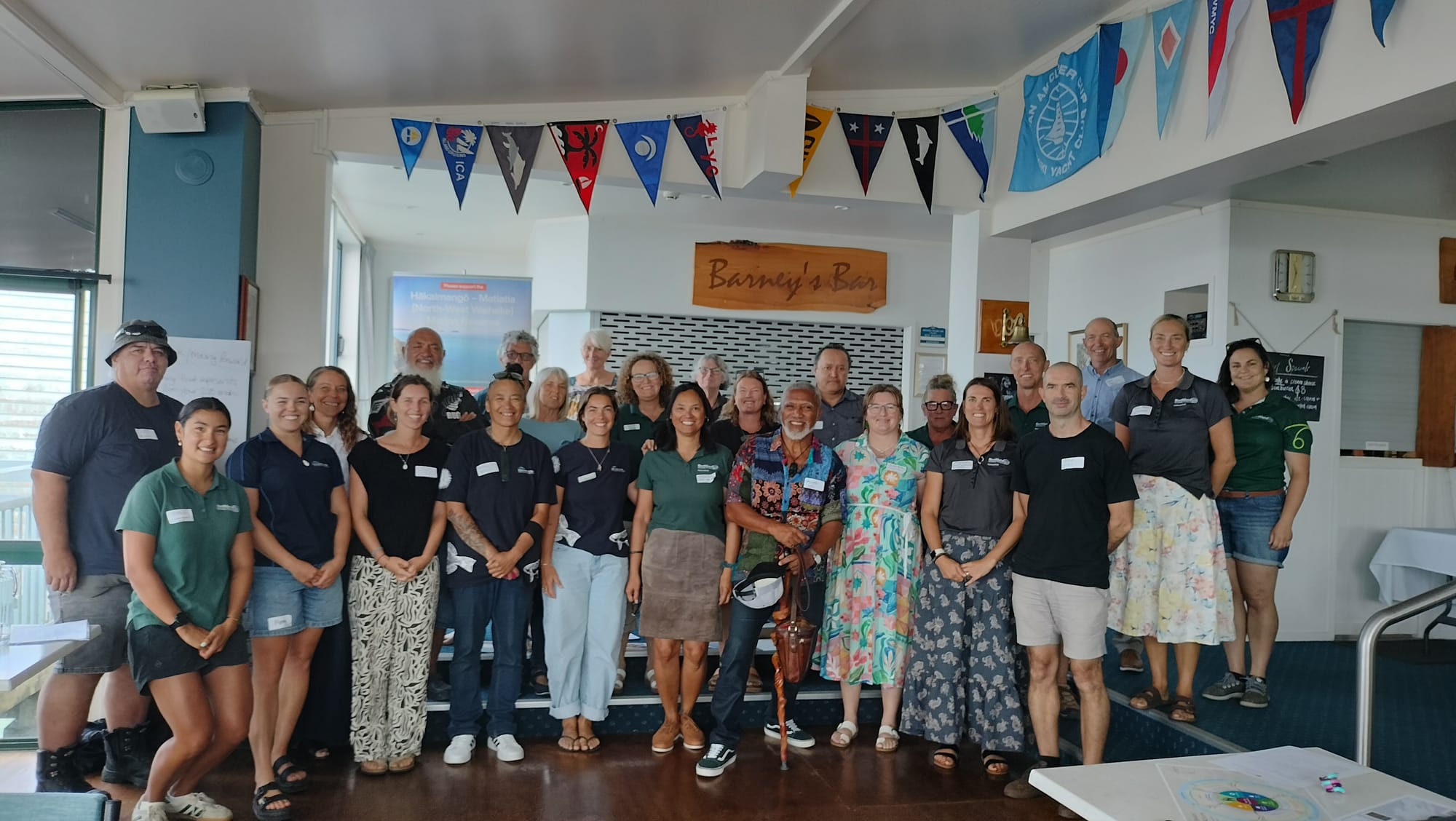
      Marine education hui - Mountains to Sea Conservation Trust asked me to facilitate an information sharing and planning day for agencies, community organisations, NGO's and hapū involved in marine conservation. 

I lay down a challenge to presenters-no PowerPoint.  What emerged was a 'show and tell' experience, where people shared objects, maps, practical tools and objects to illustrate their kōrero.

By the end of the day people had not only heard what was happening, they had also discussed how they could work together, what they wanted to give priority to, and what actions they would follow up on. 

And the feedback on the approach was overwhelmingly positive:  "so much more engaging without staring at a screen" - "wonderful to not have PowerPoint!"

      The Sisterhood, Jakarta - The Sisterhood, an NGO supporting refugee women in Jakarta, wanted to develop its first strategic plan.

From New Zealand, I designed and facilitated a series of online workshops with the leadership team to help them agree their direction and priorities for the future. 

The result has seen a step change in The Sisterhood's profile to potential supporters and funders globally, and the impact it is making for refugee women.
      Kate Edgar Foundation Board - I facilitated the board of the Kate Edgar Foundation to explore their future aspirations for this social enterprise.  We worked through how to grow their impact and what would need to prioritised to make that happen.  

Now they have a clear plan to guide their work providing education grants for women, funded through its academic hire social enterprise.
      Hapū, marae and DOC community collaboration - Turning local aspirations into plans.

I helped whānau from hapū, marae groups and trusts, together with Department of Conservation staff to explore their aspirations for taiao and hāpori projects in their rohe. 

Each rōpu (group) left with a clear future vision and a practical roadmap to guide them forward.
      Rule Foundation Hui - Allocating funding to organisations working with rainbow communities across Te Tai Tokerau/Northland.

Rule Foundation wanted to try something different.  Instead of taking funding applications, they decided to devolve decision-making on funding allocation to the groups themselves. 

Bringing diverse groups together, each with a strong vested interest, to decide how to allocate funding amongst themselves requires skilled facilitation. 

I used a consensus decision-making process, starting with inviting participants to establish a set of agreed values and principles up front to guide the decision-making process.  

By the end of the day, there was shared agreement on how the money was to be allocated, with a feeling of excitement about the impact this investment would make for our rainbow communities.
      Department of Conservation and Conservation Boards - The role of Conservation Boards has not always been clear to Department of Conservation staff and the Boards themselves. 

I facilitated a series of strategy workshops across Te Tai Tokerau, beginning with a shared session between Te Tai Tokerau operational leaders and Board representatives, then individually with the Te Tai Tokerau and Te Hiku Boards.

By the end of the series the Boards and Operational leaders understood the opportunities and impact they could create collectively.  

Each board had its own roadmap, giving them confidence on how they could invest their limited time and resources to maximise the impact they could make for conservation in the region.  They knew the role each of them would play to harness their strengths and networks to grow that impact.
      Northland businesses - Northland NZ  asked me to deliver a series of business continuity planning workshops (online and in person) across Te Tai Tokerau. 

Each business left with practical ideas and a good understanding of what they needed to consider and plan for in order to future-proof their business against the impacts of severe disruptions, such as floods, cyclones, power outages and road closures - common occurrences in this region.
      Strategic Planning for Communities - Through funding from DIA, and in partnership with Volunteering Northland, I delivered a series of online and in person strategic planning workshops across Te Tai Tokerau for boards of community organisations.  

After 11 workshops every board, representing nearly 40 community organisations, could confidently articulate exactly why their organisation existed, who they served and the unique impact they created.  

They knew where they wanted to be in 5 years time, what they needed to prioritise to get there, and how they would check progress and prove their success. 

They also left with a stronger commitment to their kaupapa, and to each other. Many described being part of the creative, interactive and inclusive process  as 'the best team building day we have ever had.'
      Social resilience planning - I was brought in by Nature Positive to help with a national social resilience for rural communities initiative, funded by MPI.

I designed and facilitated a series of regional and national, in-person and online sessions for agencies and NGO's working with rural communities as well as hapū-led and community catchment groups.  

The workshops helped them explore what social resilience meant to them, where they were already strong, and where they may need to focus in more.

Through the conversations, the different sectors recognised the complimentary support they could offer each other, and the importance of considering the wellbeing of people alongside their focus on environmental restoration.

Agencies got to hear from hapū how to better engage with marae.   

Through experiential activities, participants learnt the importance of building connection first in order to open the door to more honest and open conversations.

Each participant left with practical ideas they could take forward into their mahi and in future planning.
      Kauri Ora Wānanga - Facilitating representatives from iwi and hapū, Auckland, Northland and Waikato Regional Councils, MPI and DOC co-design a project planning template for Kauri Ora projects.  

Over two days I  guided the participants through a co-design process.  They explored what was needed to set projects up for success in a way that respected the diverse needs, values and perspectives.  

They also looked at how to incorporate Mātauranga Māori and Western Science. 

The result was a template that everyone supported and agreed to apply to future planning.
      Marine education hui - Mountains to Sea Conservation Trust asked me to facilitate an information sharing and planning day for agencies, community organisations, NGO's and hapū involved in marine conservation. 

I lay down a challenge to presenters-no PowerPoint.  What emerged was a 'show and tell' experience, where people shared objects, maps, practical tools and objects to illustrate their kōrero.

By the end of the day people had not only heard what was happening, they had also discussed how they could work together, what they wanted to give priority to, and what actions they would follow up on. 

And the feedback on the approach was overwhelmingly positive:  "so much more engaging without staring at a screen" - "wonderful to not have PowerPoint!"

      Woven Collaboration
      Copyright © 2026 All rights reserved
      • Home
      • Helping people work well together
      • About Carolyn
      • Client feedback
      • Common questions
      • Costs
      • Women Who Follow Through
      • Ideas to spark your thinking
      • Contact
      •  +64-0223041965
      •   Carolyn@wovencollaboration.nz